
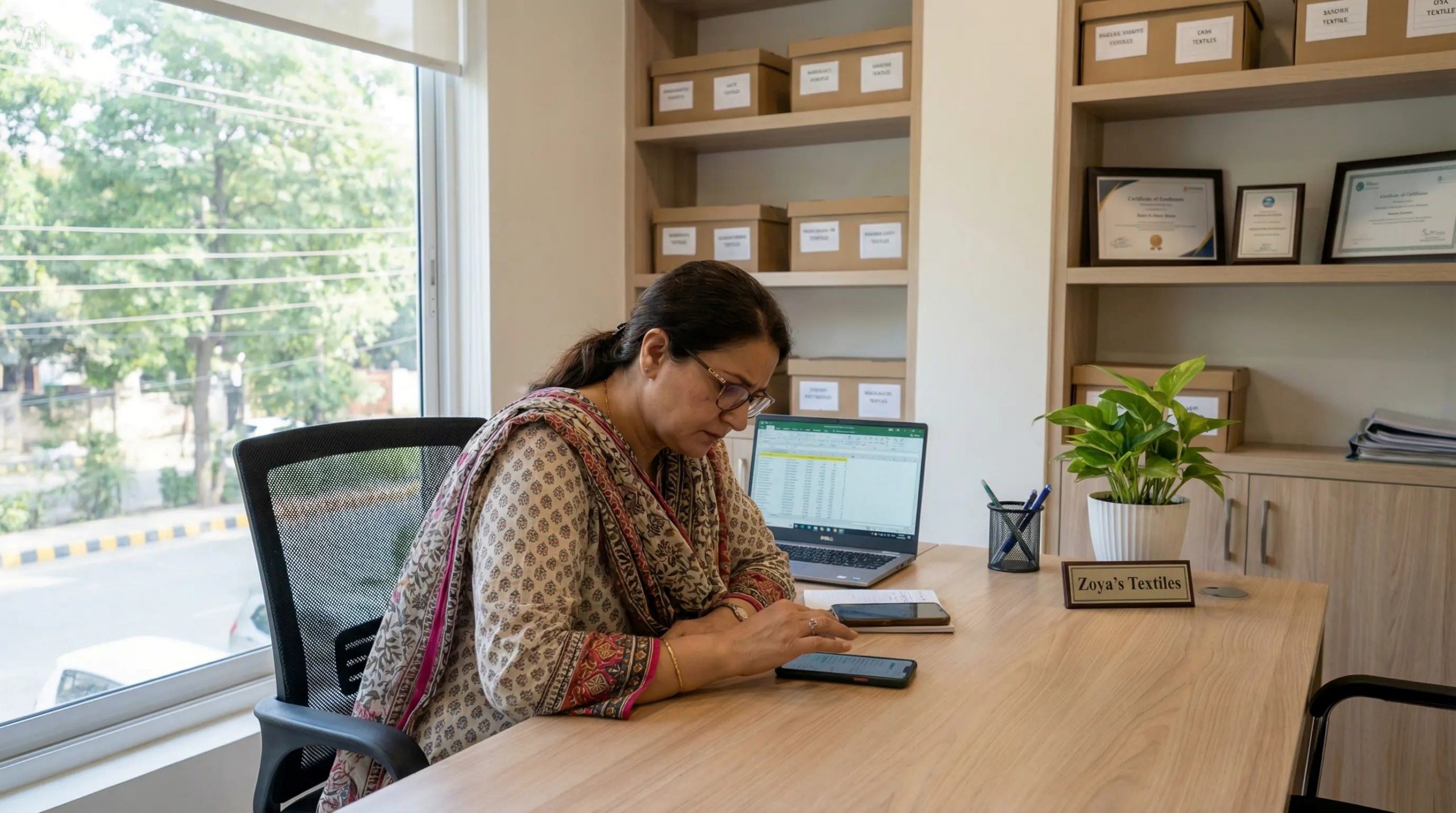
At the end of the month, many small business owners feel they worked hard but still cannot clearly answer one question: how much profit did the business actually make?
This confusion often stems from a single mistake. Personal and business finances are mixed in the same account.
It may feel convenient initially, but as transactions increase, it becomes harder to track money, control expenses, and plan for growth. Over time, this leads to poor decisions, missed opportunities, and unnecessary stress.
A separate business account is not just a banking decision. It is the foundation of financial clarity and long-term success.
The Hidden Problem With Mixing Personal and Business Finances
When business and personal transactions are combined, financial visibility disappears.
Small business owners often struggle to:
- Track actual income and expenses
- Understand real profit and loss
- Identify where money is being spent
- Maintain proper financial records
- Prepare for taxes or audits
Without clear separation, even a profitable business can feel like it is struggling.
A Real Example: How Confusion Starts
Consider a shopkeeper in Karachi running a mobile accessories store.
He receives payments in cash, sometimes through bank transfer, and occasionally gives products on credit. At the same time, he uses the same account for personal expenses like groceries and bills.
At the end of the month, the numbers do not add up. Sales look high, but cash is missing. Expenses are unclear. Credit given to customers is not properly tracked.
This is not a rare situation. It is the reality for many small businesses.
Signs You Need a Separate Business Account
Many business owners do not realize they have a problem until it becomes serious. Here are some clear signs:
- Personal and business transactions are mixed
- It is difficult to calculate the monthly profit
- Tax preparation feels confusing and stressful
- Payments are being received in a personal account
- There is no clear record of expenses
If any of these sound familiar, it is time to separate finances.
Why a Separate Business Account Is Essential
1. Clear Financial Management
A dedicated business account keeps all transactions in one place. This makes it easier to monitor income, track expenses, and maintain organized records.
With better visibility, business owners can make smarter decisions.
2. Accurate Cash Flow Management
Cash flow is the backbone of any business. Without proper tracking, businesses may run into shortages even when sales are strong.
A separate account helps track incoming and outgoing money clearly, making daily operations smoother and more predictable.
3. Simplified Bookkeeping and Accounting
Sorting through mixed transactions wastes time and increases errors.
With a separate account, bookkeeping becomes simpler. When combined with a business finance app, it allows real-time tracking, easy reconciliation, and better reporting.
4. Better Tax Compliance and Legal Protection
Keeping finances separate helps maintain accurate records for tax filing and audits.
In many cases, mixing finances can create compliance issues and increase the risk of penalties. A separate account creates a clean audit trail and improves financial transparency.
5. Stronger Business Credibility
Clients, suppliers, and financial institutions take businesses more seriously when transactions are handled professionally.
A proper business account improves trust and opens doors for partnerships and funding opportunities.
The Risks of Not Separating Finances
Ignoring this step can create long term problems:
- Inability to track true profit
- Higher chances of accounting mistakes
- Difficulty in securing loans or credit
- Increased audit risks
- Poor financial planning
Over time, these issues can limit growth and create unnecessary financial pressure.
When Should You Open a Business Account
The best time to open a business account is early.
Ideally, it should happen:
- When the business is registered
- As soon as income starts coming in
- Even during the early stages of freelancing or side hustles
Starting early avoids complications later.
What Type of Business Account Should You Choose
Most businesses begin with a basic business account for daily transactions.
As the business grows, additional options may include:
- A savings account for managing reserves
- Access to credit or financing
- Payment solutions for accepting digital transactions
Choosing the right setup depends on the size and needs of the business.

What to Look for in a Business Account
Not all business accounts are the same. Important factors to consider include:
- Low or transparent fees
- Easy access through mobile or online banking
- Reliable customer support
- Suitable transaction limits
- Compatibility with accounting tools
Selecting the right account can make daily financial management much easier.
How to Separate Business and Personal Finances
If finances are already mixed, it is still possible to fix the situation.
Step 1: Open a dedicated business account
Step 2: Review past transactions and categorize them
Step 3: Separate personal and business expenses
Step 4: Record transfers between personal and business funds
Step 5: Start maintaining clean records going forward
This process may take some effort, but it creates long-term clarity.
Can You Run a Business Without a Separate Account
Technically, yes. But it comes at a cost.
Running everything through a personal account might work for a short time, but it eventually leads to confusion, poor decision-making, and limited growth.
For any business that aims to grow, separating finances becomes necessary.
The Role of Business Finance Apps in Modern Businesses
Today, small businesses are not limited to traditional banking.
A business finance app acts as a complete financial management system by helping owners:
- Track income and expenses in real time
- Monitor cash flow from anywhere
- Automate bookkeeping
- Maintain digital records
- Manage customer credit
This is where Udhaar Book becomes highly relevant.
Udhaar Book is designed specifically for small business owners who need a simple way to manage finances without complexity. It allows businesses to track transactions, manage credit, and maintain organized records, even if they are not fully relying on a traditional banking setup.
Why Payment Systems and Merchant Accounts Matter
As businesses grow, accepting payments efficiently becomes important.
A merchant account and payment systems help:
- Accept digital and card payments
- Improve customer experience
- Speed up transactions
- Maintain accurate sales records
Combined with a business account and a finance app, this creates a complete financial system.
How a Separate Business Account Supports Growth
1. Better Financial Planning
Clear financial data helps businesses plan budgets, control costs, and make informed decisions.
2. Improved Creditworthiness
Maintaining proper financial records increases the chances of getting loans or funding.
3. Readiness for Expansion
Businesses with organized finances can expand operations more smoothly and confidently.
Why Digital Solutions Are the Future for Small Businesses
Small businesses are increasingly adopting digital tools to simplify operations.
These tools provide:
- Real-time financial visibility
- Automated tracking
- Secure record keeping
- Easy access to business data
Udhaar Book fits naturally into this shift by offering a practical and accessible solution for managing business finances.
Final Takeaway
Small businesses rarely fail due to a lack of effort. They struggle because of unclear finances and poor cash flow management.
A separate business account provides structure. A finance app provides control. Payment systems enable growth.
For business owners who want clarity and confidence, combining these tools creates a strong foundation for success.
For those looking to simplify financial management from day one, downloading the Udhaar Book app is a smart first step toward organized and stress-free business operations.
FAQs
1. Can a small business use a personal account instead of a business account
It is possible, but it creates confusion, complicates accounting, and increases compliance risks. A separate business account is always the better option.
2. Do freelancers or sole proprietors need a business account
Yes, even freelancers benefit from separating finances as it improves tracking and simplifies financial management.
3. What happens if personal and business finances are already mixed
They can be separated by reviewing past transactions, categorizing them properly, and starting fresh with a dedicated system.
4. What is the difference between a personal and business account
A personal account is for individual use, while a business account is designed to manage business transactions and maintain financial records.
5. How does a business finance app help
It helps track transactions, manage expenses, automate bookkeeping, and provide real time insights for better decision making.
6. What is a merchant account and why is it important
A merchant account allows businesses to accept digital and card payments, making transactions faster and more efficient.
7. How can small businesses stay compliant with tax requirements
By maintaining accurate records, separating finances, and using digital tools for proper documentation.
8. Which is the best business finance app for small businesses in Pakistan
Solutions like Udhaar Book are designed for small businesses, offering simple tools to manage transactions, track credit, and maintain financial clarity.