Running a business today requires more than just good products and customer service. With the rapid shift toward cashless transactions, many entrepreneurs are exploring reliable payment methods for business Pakistan offers to keep up with modern customer expectations. From mobile wallets to QR payments and online payment gateways, digital payment systems are transforming the way businesses collect and manage payments.
Across Pakistan, small shops, restaurants, freelancers, and large enterprises are increasingly adopting digital payment solutions to streamline operations and improve cash flow. These systems not only make transactions faster but also provide better transparency, record keeping, and security for both merchants and customers.
This guide explores the most effective digital payment methods available for businesses in Pakistan, how they work, and how companies can choose the right solution for their needs.
Why Digital Payments Are Growing in Pakistan
Over the last few years, Pakistan has experienced a significant shift toward digital payments. The State Bank of Pakistan has actively encouraged financial inclusion and digital banking. As a result, millions of people now use mobile wallets, online banking apps, and QR payments in their daily lives.
Businesses are also embracing this change because digital payment systems provide several advantages:
- Faster transactions and checkout processes
- Reduced dependency on cash handling
- Better record keeping and financial tracking
- Increased trust among customers
- Access to online customers and remote payments
For small and medium businesses especially, adopting modern payment systems is no longer optional. It is becoming a competitive necessity.
Major Digital Payment Methods for Businesses in Pakistan
Businesses in Pakistan now have several reliable ways to collect payments digitally. Each method offers different advantages depending on the type of business.
Bank Transfers and Online Banking
Bank transfers remain one of the most widely used digital payment options for businesses. Customers can transfer money directly from their bank account to the merchant’s account using internet banking or mobile banking apps.
Many businesses use this method for B2B payments, service payments, and invoice settlements. Interbank transfers, often referred to as IBFT payments, allow businesses to receive funds from customers across different banks quickly.
Advantages of bank transfer payments include:
- High transaction security
- Suitable for large payments
- Widely accepted by businesses and clients
However, this method may not always be the fastest for retail businesses that require instant checkout options.
Mobile Wallet Payments
Mobile wallets have become extremely popular across Pakistan, especially among younger consumers and urban shoppers. Wallet apps allow customers to pay directly through their smartphones.
Some of the most widely used mobile wallet platforms include:
- JazzCash
- Easypaisa
- SadaPay
- NayaPay
Businesses can accept wallet payments through merchant accounts, QR codes, or payment links. These apps allow customers to send payments instantly without using cash or cards.
Mobile wallet payments are especially useful for:
- Online businesses
- Freelancers and service providers
- Small retail stores
- Delivery based businesses
QR Code Payments
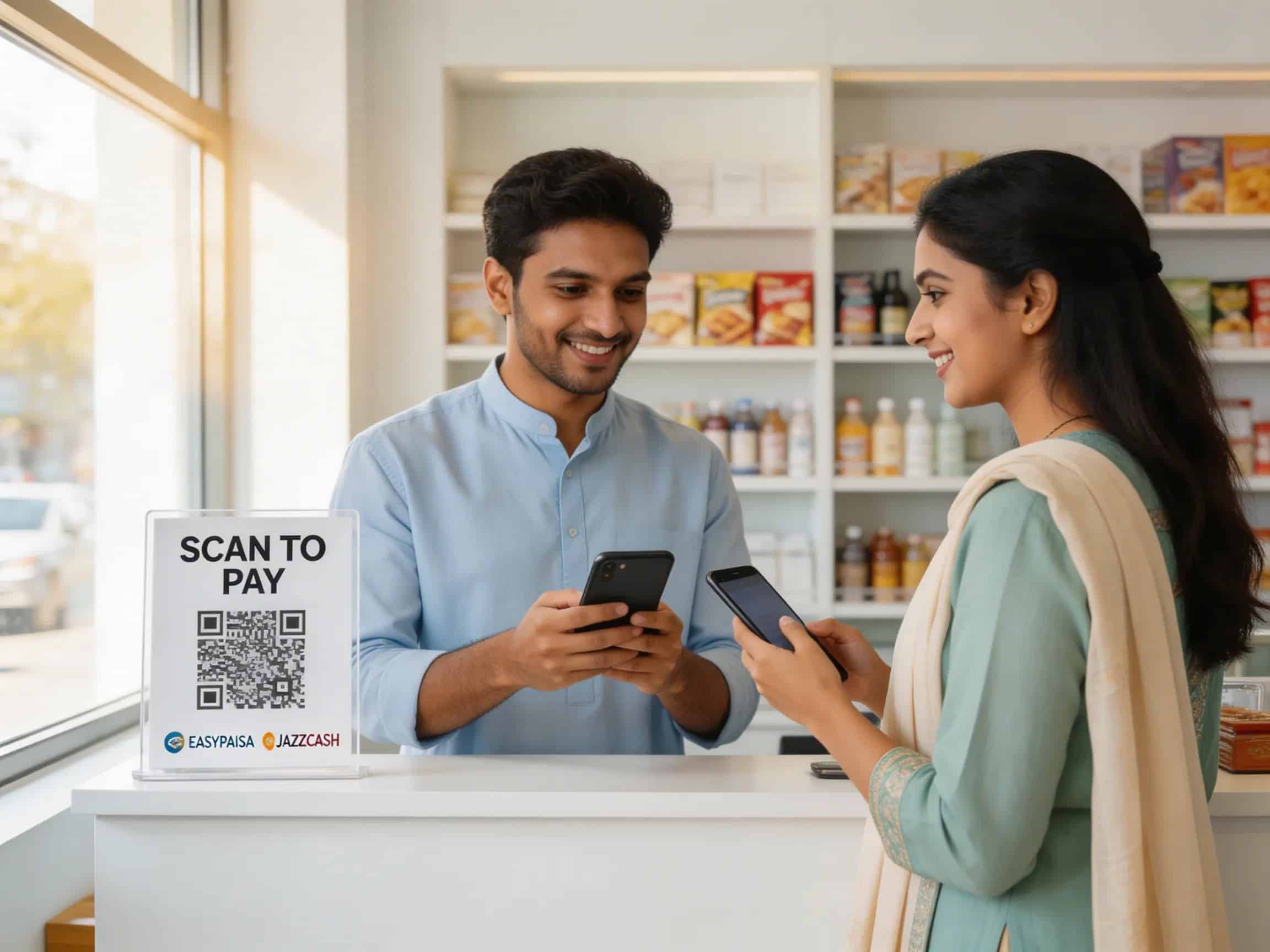
QR code payments are rapidly becoming a preferred method for merchants across Pakistan. With this system, businesses display a QR code that customers can scan with their mobile wallet or banking app to complete a transaction.
This method offers several benefits:
- Quick and contactless transactions
- No expensive hardware required
- Easy setup for small businesses
- Reduced checkout time
QR payments are particularly popular among small retailers, cafes, food stalls, and local shops that want a simple digital payment solution.
POS Card Payments
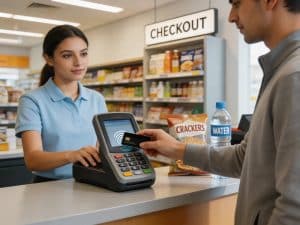
Many customers still prefer paying with debit or credit cards. Businesses can accept these payments using a point of sale card machine.
A POS payment system allows customers to swipe or tap their card and complete the transaction instantly. This system is commonly used in:
- Restaurants
- Retail outlets
- Supermarkets
- Hotels
Card payments are convenient for customers who do not carry cash. However, POS machines can involve setup costs and transaction fees, which may be a consideration for smaller businesses.
Online Payment Gateways
Businesses that sell products or services online often rely on payment gateways to accept digital payments through websites or mobile apps.
A payment gateway processes online transactions securely and connects the customer’s bank to the business account.
Some commonly used payment gateways include:
- PayFast
- PayPro
These platforms allow businesses to accept payments through credit cards, debit cards, bank transfers, and mobile wallets.
Online payment gateways are essential for:
- Ecommerce stores
- Subscription services
- Online marketplaces
- Digital service providers
Business Payment Apps
Many businesses are now using dedicated business payments apps to simplify financial operations. These apps help business owners collect payments, track customer balances, and manage transactions from a single platform.
One such solution is Udhaar Book, which is designed specifically for small businesses and shopkeepers.
Udhaar Book allows merchants to manage credit ledgers, track payments, and collect digital payments from customers. The app combines bookkeeping and payment management, making it particularly useful for small and medium businesses that want to digitize their operations.
Instead of managing records manually, businesses can maintain accurate financial data directly on their phones.
Benefits of Digital Payment Systems for Businesses
Adopting digital payment methods can significantly improve the way businesses operate. Here are some key advantages.
Faster Payment Collection
Digital payments eliminate the delays associated with cash handling or manual bank deposits. Payments are processed instantly, which helps businesses maintain healthy cash flow.
Improved Financial Tracking
Digital transactions automatically create records. This makes it easier for businesses to track sales, manage expenses, and monitor cash flow.
Apps like Udhaar Book also help merchants track outstanding payments and customer balances in one place.
Increased Customer Convenience
Customers prefer flexible payment options. When businesses accept wallets, cards, and QR payments, customers can pay using their preferred method.
This convenience often leads to higher sales and improved customer satisfaction.
Better Security
Handling large amounts of cash carries security risks. Digital payments reduce the need for physical cash and provide encrypted transaction processing.
Most digital payment platforms also include fraud protection and transaction verification features.
Business Growth Opportunities
Digital payment systems allow businesses to sell products online, accept remote payments, and expand their customer base beyond physical locations.
For example, freelancers, consultants, and online sellers can receive payments from clients anywhere in the country.
How Small Businesses Can Start Accepting Digital Payments
For small businesses that are new to digital payments, getting started is relatively simple.
Step 1: Choose the Right Payment Method
Business owners should evaluate which payment options best suit their customers. Retail stores may benefit from QR payments and POS machines, while online businesses may require payment gateways.
Step 2: Register for Merchant Accounts
Most wallet providers and payment platforms offer merchant accounts that allow businesses to receive payments directly.
Step 3: Set Up Payment Infrastructure
Depending on the payment method chosen, businesses may need to install POS machines, generate QR codes, or integrate payment gateways with their website.
Step 4: Educate Customers
Encouraging customers to use digital payments may take some time. Businesses can promote their payment options by displaying QR codes, payment logos, or digital payment instructions.
Step 5: Track Payments Digitally
Using a business payments app can make financial management much easier. Many small business owners rely on apps to track transactions, record credit sales, and manage outstanding payments.
Choosing the Right Payment Solution for Your Business
Not every payment system is suitable for every business. The ideal solution depends on the type of business, customer preferences, and transaction volume.
Retail businesses may benefit from QR payments and card machines, while freelancers may rely more on bank transfers and payment apps.
Businesses should consider the following factors when selecting a payment system:
- Transaction fees
- Ease of setup
- Customer convenience
- Security features
- Integration with accounting systems
Choosing a flexible solution that supports multiple payment methods often works best.
The Role of Business Payment Apps in Modern Commerce
As digital payments continue to grow, business management apps are becoming essential tools for entrepreneurs.
Apps like Udhaar Book combine bookkeeping, payment tracking, and customer management in a single platform. This allows business owners to manage their finances more efficiently.
Instead of relying on handwritten ledgers or spreadsheets, merchants can maintain organized records and monitor payments in real time.
Such solutions are particularly valuable for small retailers, wholesalers, and service providers who want a simple way to manage daily transactions.
Future of Digital Payments in Pakistan
Pakistan’s digital payment ecosystem is expected to grow significantly in the coming years. Government initiatives, fintech innovation, and increased smartphone usage are driving this transformation.
More businesses are moving toward cashless operations, and customers are becoming increasingly comfortable with digital transactions.
Emerging trends that will shape the future of payments include:
- Contactless payment technologies
- Expansion of QR payment systems
- Growth of mobile wallet usage
- Integration of payment apps with business management tools
For businesses that want to stay competitive, adopting digital payment systems will be an important step toward long term growth.
FAQs
1. What are the most common payment methods for businesses in Pakistan?
The most common payment methods include cash payments, bank transfers, mobile wallet payments, QR code payments, POS card payments, and online payment gateways.
2. How can a small business accept digital payments in Pakistan?
Small businesses can start by registering for a mobile wallet merchant account, generating a QR code for payments, or using a business payments app to collect and track transactions.
3. What is the best payment app for small businesses in Pakistan?
Several payment apps are available, but many shopkeepers prefer using solutions like Udhaar Book because it combines digital payment collection with bookkeeping and credit management.
4. Are digital payments safe for businesses?
Yes. Most digital payment systems use encryption, transaction authentication, and fraud prevention measures to ensure secure transactions.
5. Can businesses accept online payments without a website?
Yes. Many payment apps and mobile wallets allow businesses to send payment links or receive payments directly through QR codes without needing a website.
6. What is a QR payment system for businesses?
A QR payment system allows customers to scan a code using their mobile wallet or banking app to pay instantly. This method is simple, fast, and widely used by small businesses.
7. Do digital payments help businesses grow?
Yes. Digital payments improve customer convenience, enable online sales, reduce cash handling, and make financial tracking easier for businesses.
A Simple Way to Start Accepting Digital Payments
As more companies move toward cashless transactions, choosing the right payment methods for business Pakistan offers can make a significant difference in efficiency and customer experience.
For small and growing businesses, combining digital payment options with simple financial management tools can simplify daily operations. Apps like Udhaar Book help merchants record transactions, manage customer balances, and collect payments from one platform.
For entrepreneurs who want a practical way to digitize their payment processes, downloading the Udhaar Book app can be a great starting point. It offers a simple and accessible way for businesses to track payments, manage credit accounts, and transition smoothly into the world of digital commerce.