QR payments Pakistan has quickly become one of the most searched payment topics as consumers and businesses shift toward faster, safer, and cashless ways to transact. From roadside vendors to large retail chains, QR-based payments are now a visible part of everyday commerce. This guide explains what QR payments are, how they work in Pakistan, and why they are becoming a preferred method for both merchants and customers.
What Are QR Payments?
QR payments are a form of digital payment where a customer scans a Quick Response code using a smartphone to complete a transaction. Instead of handing over cash or swiping a card, the user simply scans a merchant QR code and confirms the payment through a mobile app.
In Pakistan, QR payments fall under the broader category of digital payments and are designed to make transactions instant, low cost, and accessible even for small businesses with no traditional payment infrastructure.
How QR Payments Work in Pakistan
The QR payment process in Pakistan is designed to be simple and user-friendly.
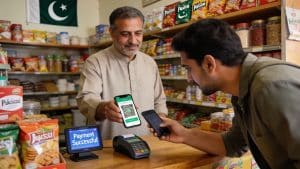
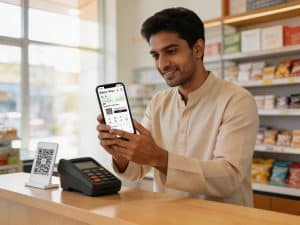
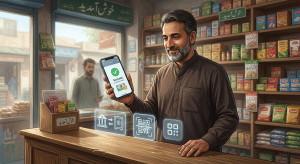
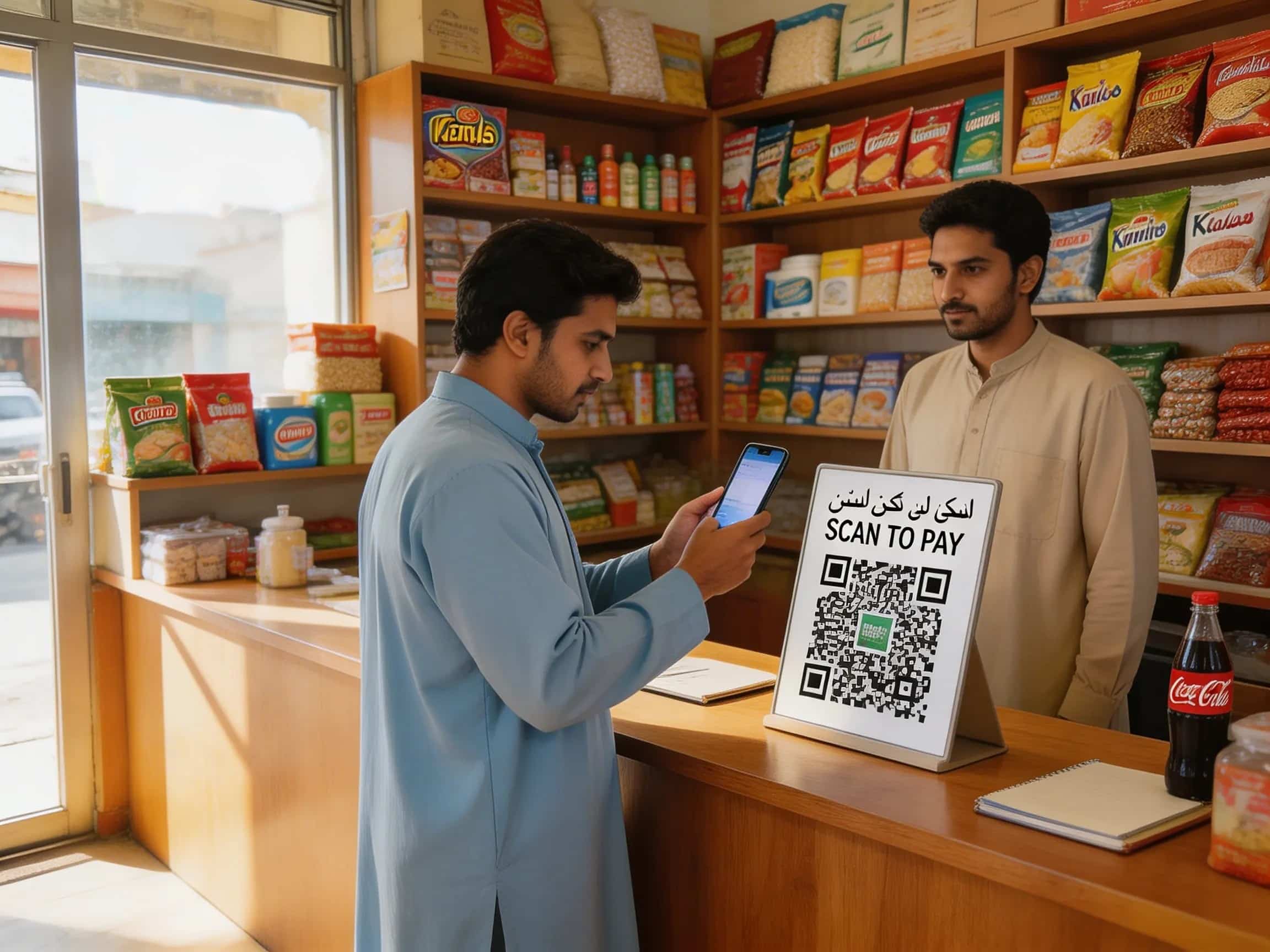
A merchant displays a QR code at the counter or checkout point. This QR code is either static or dynamic and is linked to the merchant’s account.
The customer opens a supported mobile payment app and selects the scan and pay option. The app scans the QR code, retrieves the merchant details, and prompts the user to enter or confirm the amount.
Once confirmed, the payment is processed instantly and both the customer and merchant receive confirmation.
Behind the scenes, the transaction is routed through Pakistan’s digital payment infrastructure, regulated by the State Bank of Pakistan, ensuring secure and standardized processing.
Types of QR Codes Used for Payments
Static QR Codes
A static QR code contains fixed merchant details. It is commonly used by small shops and street vendors. The customer manually enters the payment amount after scanning.
Dynamic QR Codes
A dynamic QR code is generated for each transaction and already includes the payment amount. These are usually used by larger retailers, restaurants, and service providers for faster checkout and fewer errors.
The Role of Merchant QR Codes in Business Payments
Merchant QR codes are the foundation of QR-based payments. They allow businesses to accept digital payments without POS machines, card readers, or complex setups.
For small businesses and retailers, merchant QR codes offer:
- Zero or low setup cost
- No need for hardware
- Faster checkout times
- Digital transaction records
This simplicity has made QR payments especially popular among SMEs, freelancers, and home-based businesses across Pakistan.
QR Payments and Pakistan’s Digital Payment Ecosystem
Pakistan’s push toward cashless payments is part of a larger national strategy to improve financial inclusion. Systems like Raast enable interoperable QR payments, meaning customers can pay merchants even if they use different apps or banks.
This interoperability removes friction and increases trust, which is critical for widespread adoption of digital payments Pakistan.
Benefits of QR Payments for Consumers
For consumers, QR payments offer convenience and control.
They eliminate the need to carry cash. Transactions are quick and contactless, which is especially useful in busy retail environments. Payments can be tracked through transaction history, making personal expense management easier.
QR payments also reduce the risk of theft or counterfeit currency, which remains a concern in cash-heavy economies.
Benefits of QR Payments for Merchants
For merchants, QR payments are more than just a payment method.
They provide instant settlement, reduce cash handling, and create a digital trail that can help with accounting and business analysis. Many merchants also use QR payments to build trust with customers who prefer modern, cashless payment methods.
For businesses aiming to grow, accepting QR payments signals professionalism and readiness for digital commerce.
Security of QR Payments in Pakistan
Security is a common concern when discussing digital payments. QR payments in Pakistan are protected through multiple layers, including app authentication, encrypted transactions, and bank-level security protocols.
Customers must authorize each transaction through their mobile app, and merchants receive instant confirmation. This makes QR payments safer than carrying large amounts of cash.
QR Payments vs Cash and Card Payments
Compared to cash, QR payments are faster, more secure, and easier to track. There is no need to give change or verify currency.
Compared to card payments, QR payments are more accessible for small merchants because they do not require card machines or monthly maintenance fees. This has played a major role in their rapid adoption across Pakistan.
Cost of QR Payments for Merchants
One of the biggest reasons QR payments are growing is affordability.
Most QR payment systems offer low or zero setup costs. Transaction charges, if any, are usually lower than traditional card payments. This makes QR payments an attractive option for businesses operating on thin margins.
How Businesses Can Start Accepting QR Payments
Getting started with QR payments is straightforward.
Merchants typically register with a digital payment app, complete basic verification, and receive a merchant QR code. This QR code can be printed and displayed at the point of sale.
There is no technical expertise required, which makes QR payments ideal for first-time digital payment adopters.
The Growing Adoption of QR Payments in Pakistan
QR payments Pakistan has seen rapid growth in recent years due to increased smartphone usage, better internet access, and government-backed payment infrastructure.
From urban centers to smaller towns, QR payments are becoming a normal part of everyday transactions. This trend is expected to continue as more businesses and consumers shift toward digital payments.
Brief Overview of Udhaar Book
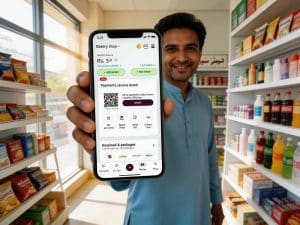
Udhaar Book is a digital ledger and payment solution designed for Pakistani businesses. It helps merchants manage customer records, track transactions, and accept QR payments in one place. Its simplicity makes it suitable for shopkeepers, retailers, and small business owners looking to move toward cashless payments without complexity.
FAQs About QR Payments in Pakistan
1. What are QR payments?
QR payments are digital transactions completed by scanning a QR code using a mobile app, allowing instant transfer of funds.
2. How do QR payments work in Pakistan?
A customer scans a merchant QR code, confirms the payment in an app, and the money is transferred instantly through Pakistan’s digital payment systems.
3. Are QR payments safe to use?
Yes, QR payments use encrypted systems and app-level authentication, making them secure for both merchants and customers.
4. Do merchants need a bank account for QR payments?
In most cases, yes. Payments are usually settled into a linked bank account or digital wallet.
5. Are QR payments free for merchants?
Many providers offer free QR codes with minimal or no transaction charges, especially for small businesses.
6. Can small shops and vendors accept QR payments?
Yes, QR payments are ideal for small shops, vendors, and freelancers because they require no hardware.
7. Which apps support QR payments in Pakistan?
Several digital payment apps support QR payments, including solutions designed specifically for local merchants.
The Future of QR Payments in Pakistan
As digital adoption accelerates, QR payments are expected to play a central role in Pakistan’s financial ecosystem. Their ease of use, low cost, and wide accessibility make them a natural choice for a cashless future.
For businesses and individuals exploring QR payments Pakistan, choosing a simple and reliable solution can make the transition smoother. Tools like Udhaar Book allow merchants to manage payments and records in one place, making digital payments feel less intimidating and more practical.
For anyone ready to take the next step toward cashless transactions, downloading the Udhaar Book app is a simple way to start using QR payments with confidence.