Small business owners in Pakistan often face a simple but important question: should they use a mobile wallet or a bank account to manage their money?
The answer is not one-size-fits-all. Both options serve a purpose, but they solve different problems. Understanding the difference helps business owners choose what actually works for their daily operations.
Understanding the Basics
What is a Mobile Wallet?
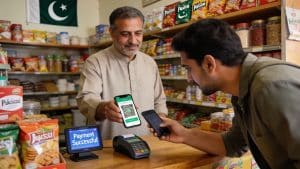
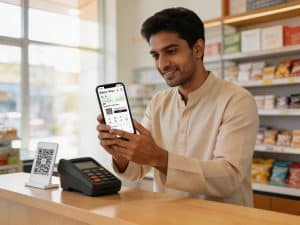
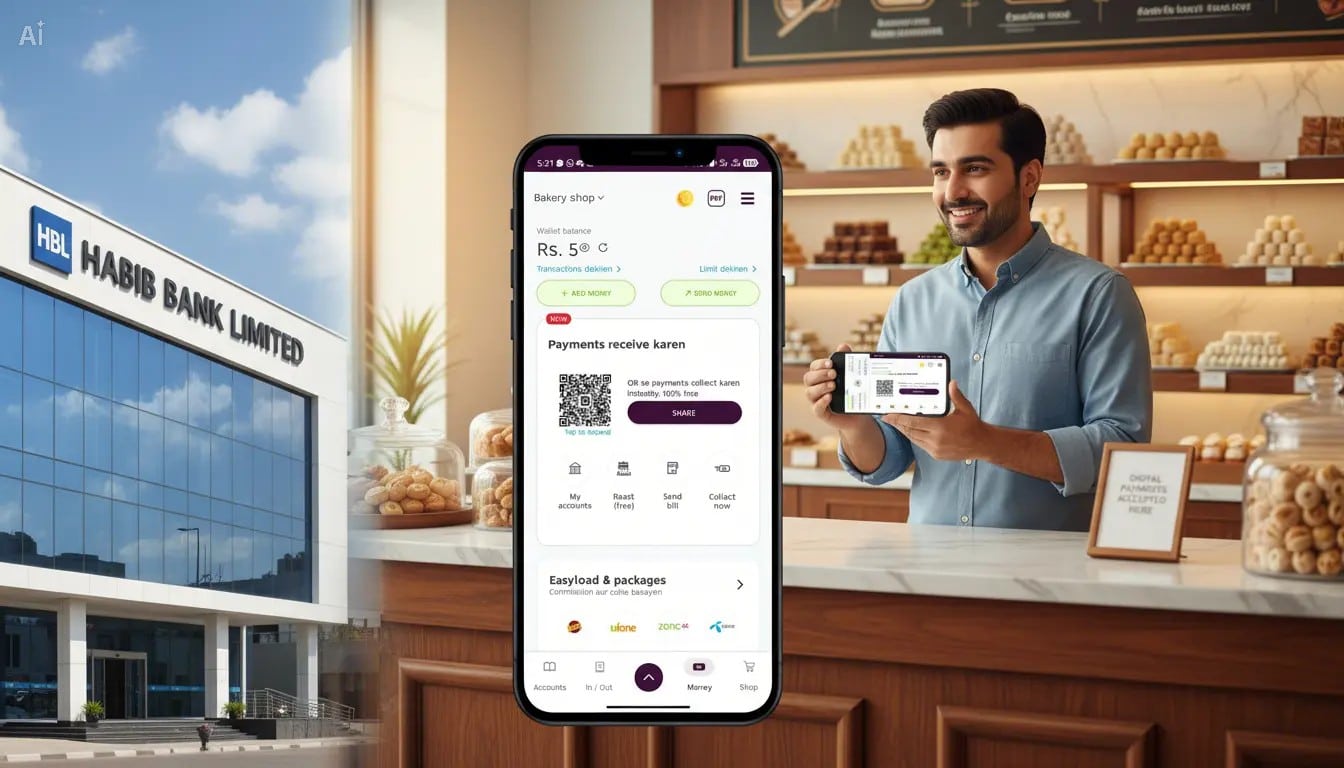
A mobile wallet is a digital account that lets users send and receive money through a smartphone.
It is commonly used for:
- Receiving payments from customers
- Sending money instantly
- Paying bills
- Handling everyday transactions
Mobile wallets are popular because they are easy to use and do not require visiting a bank.
What is a Bank Account?
A bank account is a traditional financial account used for storing money and handling larger transactions.
It is used for:
- Savings
- Business payments
- Large transfers
- Financial documentation
Bank accounts are useful for structure and security, especially for bigger operations.
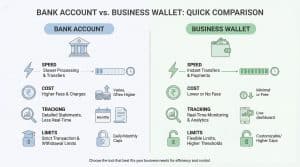
Wallet vs Bank Account: Key Differences
1. Speed and Convenience
Mobile wallets are faster for daily use.
- Instant transfers
- Easy access from mobile phones
- No waiting for bank hours
Bank transfers can sometimes take longer depending on the method.
2. Cost and Fees
Mobile wallets are often more affordable for small transactions.
- Low or no fees for basic use
- Small charges for wallet to bank transfers
Bank accounts may include:
- Maintenance charges
- Transfer fees
- Additional banking costs
3. Transaction Limits
Mobile wallets usually have transaction limits, which can restrict large transfers.
Bank accounts allow higher limits, making them suitable for:
- Bulk payments
- Large business transactions
4. Security
Both options are generally secure.
- Banks offer strong financial protection and formal systems
- Mobile wallets use PINs, OTPs, and biometric verification
Both are safe when used properly.
The Problem Most Small Businesses Face
The real issue is not sending or receiving money.
It is keeping track of it.
Small business owners often deal with:
- Customers taking goods on credit
- Payments coming from different sources
- Difficulty tracking who owes money
- No clear record of daily transactions
Neither a wallet nor a bank account fully solves this problem.
Not All Wallets Are Designed for Business
Most mobile wallets are made for personal use.
They help with:
- Sending and receiving money
- Paying bills
But they do not help with:
- Tracking customer balances
- Managing credit (udhaar)
- Keeping organized records
This creates gaps in managing a business properly.
A Better Way: Business-Focused Wallet
Udhaar Book is designed specifically for small businesses.
It works as a digital wallet but also helps with tracking and managing business finances.
What Makes It Useful
- Keeps a record of all transactions
- Tracks who owes money
- Helps manage customer credit
- Makes it easier to see cash flow
Helps With Daily Business Operations
Instead of relying on memory or notebooks, businesses can:
- Record payments instantly
- Track balances in real time
- Stay organized without extra effort
Combines Payments and Tracking
Most wallets only handle money transfers.
Udhaar Book combines:
- Payment tracking
- Customer management
- Digital record keeping
This makes it more practical for everyday business use.
Wallet vs Bank Account vs Business Wallet
Mobile Wallet
Good for quick payments and transfers
Not built for tracking business activity
Bank Account
Good for large transactions and savings
Not designed for daily business tracking
Business Wallet (Udhaar Book)
Helps with:
- Payments
- Tracking
- Managing customers
- Keeping records
This makes it a more complete solution for small businesses.
When Should You Use Each?
Use a Mobile Wallet If:
- You want fast and simple transactions
- You deal with small daily payments
Use a Bank Account If:
- You handle large transactions
- You need formal banking services
Use a Business Wallet If:
- You run a small or growing business
- You deal with regular customers and credit
- You want proper tracking of your money
Final Thoughts
Choosing between a wallet and a bank account is not just about sending or storing money.
It is about how well you can manage your business.
Mobile wallets are fast. Bank accounts are structured. But small businesses also need control, clarity, and proper tracking.
That is where a business-focused wallet becomes useful.
Start Managing Your Business the Smarter Way
If you are tired of mixing up payments, forgetting who owes you money, or relying on manual records, there is a better way.
Download Udhaar Book and start managing your business payments, customers, and cash flow in one simple place.
It is time to move from confusion to clarity and run your business with more control.
Frequently Asked Questions
1. Which is better for small businesses: wallet or bank account?
Both have their uses. A mobile wallet is better for fast, everyday transactions, while a bank account is useful for storing money and handling larger payments.
However, small businesses also need proper tracking and clarity. A business-focused solution like Udhaar Book helps manage payments and records in one place, which is something neither a basic wallet nor a bank account fully provides.
2. Can a small business run only on a mobile wallet?
Yes, many small businesses in Pakistan use mobile wallets for daily transactions.
But relying only on a wallet can make it difficult to track customer balances, especially when dealing with credit or repeat customers. Over time, this can lead to confusion and missed payments.
A business wallet like Udhaar Book helps solve this by keeping a clear record of all transactions and customer balances.
3. What is the difference between a wallet and a bank account?
A mobile wallet is designed for sending and receiving money quickly through a phone. It is simple and convenient for daily use.
A bank account is a more formal system used for storing money, large transactions, and financial documentation.
Both are useful, but they do not help with tracking business activity in detail.
4. Are wallet to bank transfers necessary for businesses?
Wallet to bank transfers are useful when a business needs to move money from a wallet into a bank account for savings or larger payments.
However, frequent transfers can create extra charges and add complexity. Many small businesses prefer keeping track of their money in one place before moving it between systems.
5. Which option is better for daily business transactions?
Mobile wallets are generally better for daily transactions because they are fast and easy to use.
But for complete business control, it is important to also track payments and customer balances. This is where using a business wallet like Udhaar Book becomes helpful.
6. What is the best option for managing udhaar in small businesses?
Managing udhaar with a notebook or memory can lead to mistakes and lost records.
A digital system is a better approach. Udhaar Book helps businesses:
- Record udhaar instantly
- Track who owes money
- Maintain clear transaction history
- Send reminders to customers
7. Should a small business use both wallet and bank account?
Yes, many businesses use both.
- Wallets for daily payments and collections
- Bank accounts for savings and large transactions
But to stay organized, businesses also need a system that tracks everything. A business wallet like Udhaar Book helps bridge that gap by managing payments and records together.