Cashless payments in Pakistan are becoming more common as consumers and businesses shift toward faster, safer, and more convenient ways of making transactions. What once relied heavily on physical cash is now gradually moving toward digital alternatives such as mobile wallets, bank transfers, and online payment systems.
This transformation reflects a broader digital payments trend in the country. Increasing smartphone usage, improved internet access, government backed payment infrastructure, and the rise of fintech platforms are all contributing to the growing adoption of digital transactions.
For many people, paying through an app or transferring money online is now easier than visiting a bank or carrying cash.
As digital financial tools continue to expand, Pakistan is slowly moving toward a more modern payment ecosystem where electronic transactions play a central role.
Understanding Cashless Payments
Cashless payments refer to transactions that are completed without physical currency. Instead of cash, payments are made through digital channels such as mobile wallets, debit cards, bank transfers, and QR code payments.
These payment methods are becoming more popular because they simplify everyday financial activities. Consumers can pay bills, transfer money, shop online, and settle business transactions through their smartphones within seconds.
Across Pakistan, businesses are also adopting digital payment systems to improve efficiency, reduce cash handling risks, and provide customers with more flexible payment options.
The Digital Payments Trend in Pakistan
Pakistan has seen a noticeable increase in digital transactions over the past decade. Financial institutions and fintech companies are continuously introducing new technologies to make digital payments accessible to a larger population.
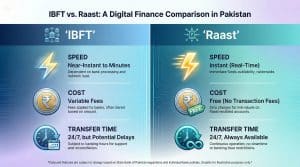
Organizations such as the State Bank of Pakistan have been encouraging electronic transactions by supporting modern banking systems and digital payment infrastructure. Initiatives such as Raast have made it easier for people to transfer money instantly between bank accounts.
This real time payment network has simplified online payments in Pakistan and allowed individuals and businesses to send and receive funds more efficiently.
As more people become familiar with these technologies, the digital payments ecosystem continues to expand across the country.
Smartphone Adoption Is Accelerating Digital Payments
The rapid growth of smartphone usage is one of the biggest reasons behind the rise of cashless payments in Pakistan.
Millions of Pakistanis now have access to smartphones that allow them to download financial apps and conduct transactions digitally. These devices have become essential tools for mobile banking and digital wallets.
Mobile payment apps such as JazzCash, EasyPaisa, SadaPay, and NayaPay allow users to send money, pay bills, and make purchases directly from their phones.
This growing reliance on app based payments reflects a wider shift toward mobile financial services and digital wallet usage in Pakistan.
E Commerce Growth Is Driving Online Payments
The expansion of online shopping has also played a major role in encouraging digital transactions.
As more consumers shop through online marketplaces, digital payment methods have become essential for completing purchases quickly and securely. Platforms such as Daraz have helped normalize digital checkout systems by offering various payment options including mobile wallets and bank transfers.
The convenience of online shopping combined with secure payment gateways has encouraged consumers to rely less on physical cash. Over time, this trend has strengthened the country’s overall digital payment infrastructure.
Small Businesses Are Embracing Cashless Transactions
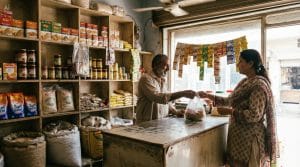
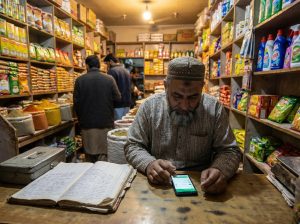
Small businesses and retailers across Pakistan are gradually shifting toward cashless payment solutions.
Accepting digital payments allows shop owners to simplify their accounting processes, reduce the risks associated with cash handling, and provide faster checkout experiences for customers.
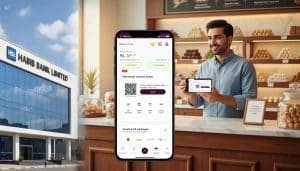
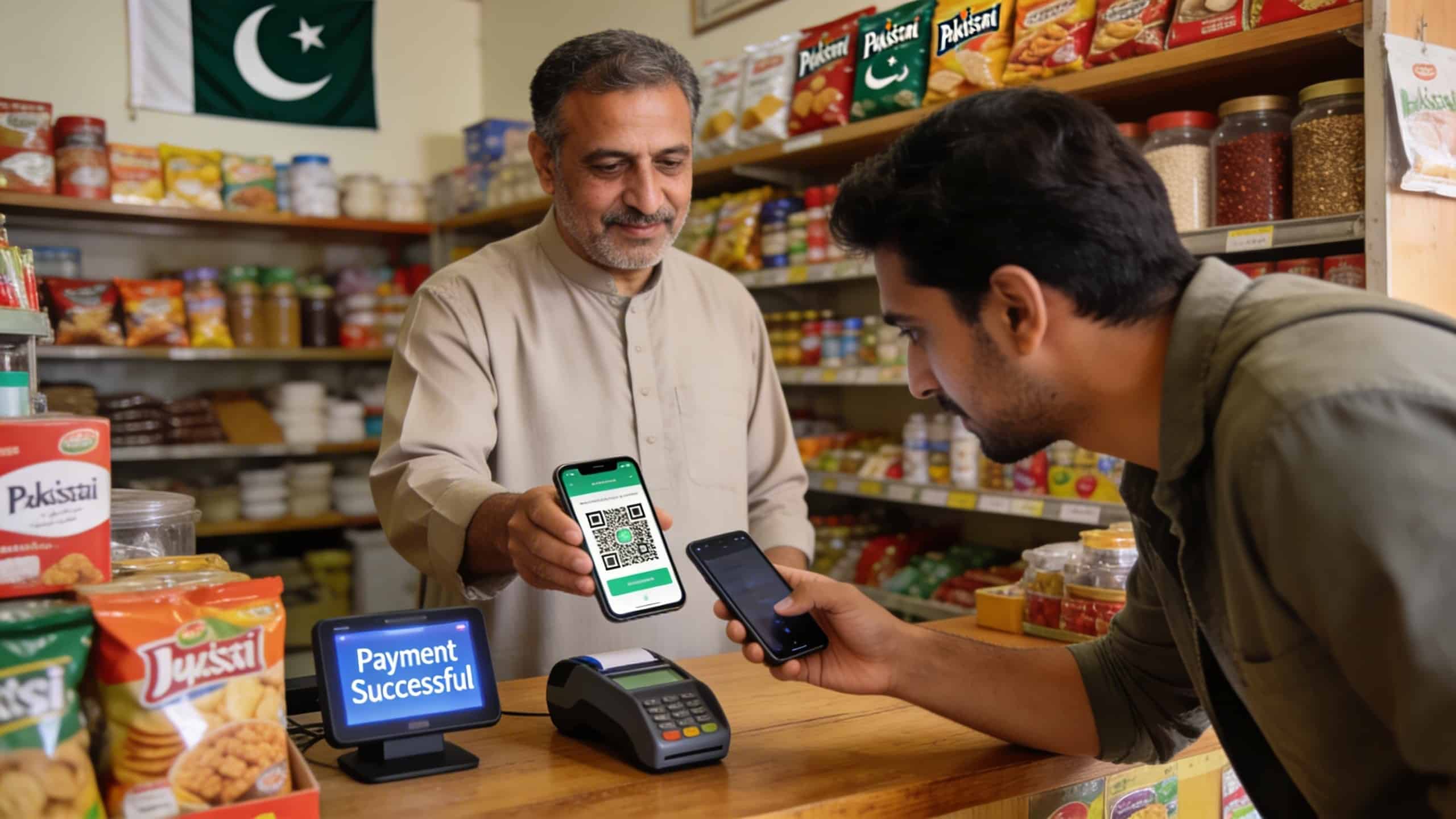
Many merchants now accept QR code payments and mobile wallet transfers because they require minimal setup and are easy to use. These payment options also help businesses maintain digital records of transactions.
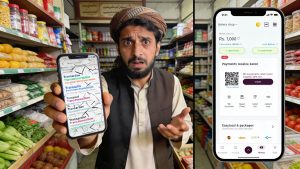
Alongside payment platforms, several apps help small businesses manage customer payments and track financial activity. One such solution is Udhaar Book, a digital ledger and payment management app used by thousands of shopkeepers and entrepreneurs across Pakistan.
Udhaar Book allows businesses to record transactions, track credit payments, and manage customer balances in one place. By digitizing traditional record keeping, the app helps small merchants move closer to modern digital payment practices.
Convenience Is Changing Consumer Behavior
Convenience is one of the biggest drivers behind the digital payments trend in Pakistan.
Consumers today prefer payment methods that are fast and easy to use. Mobile wallets and online banking apps allow people to complete transactions instantly without needing to carry cash.
Features such as QR payments, instant transfers, and digital bill payments save time and reduce the effort required for everyday financial tasks.
This shift in consumer behavior is encouraging more businesses to accept electronic payments and integrate digital tools into their operations.
Government and Financial Institutions Are Supporting the Transition
The shift toward digital payments has also been supported by government policies and financial sector initiatives.
Authorities are working to strengthen payment infrastructure and promote financial inclusion through digital banking solutions.
The State Bank of Pakistan has introduced policies aimed at increasing digital transaction volumes and expanding access to financial services.
Systems like Raast are helping create a faster and more reliable payment network that connects banks, fintech companies, and consumers.
These efforts are making it easier for individuals and businesses to participate in the digital economy.
Security Improvements Are Increasing Trust
Security plays an important role in encouraging people to adopt digital payment methods.
Modern digital payment platforms use encryption, authentication systems, and fraud detection technologies to protect users from unauthorized transactions.
These security measures help ensure that online payments remain safe and reliable.
As trust in digital platforms continues to grow, more consumers are becoming comfortable using electronic transactions instead of cash.
Contactless and QR Code Payments Are Expanding
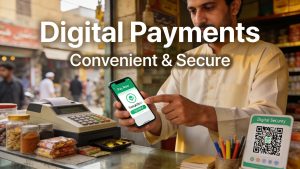
Contactless payment technology is also contributing to the rise of cashless transactions.
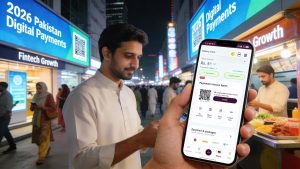
QR code payments are particularly popular among small retailers because they are easy to implement and require very little equipment.
Customers simply scan a QR code using their mobile wallet app to complete the payment instantly. This eliminates the need for card machines or complex hardware.
As more businesses adopt this technology, contactless payments are becoming a common part of everyday commerce in Pakistan.
Financial Inclusion Through Digital Payments
Digital payment systems are helping expand financial inclusion across the country.
Many individuals who previously had limited access to banking services can now use mobile wallets and fintech apps to send and receive money.
These tools allow users to perform basic financial activities such as transferring funds, paying bills, and managing transactions directly from their smartphones.
By making financial services more accessible, digital payment solutions are helping bring more people into the formal financial system.
A Brief Overview of Udhaar Book
Udhaar Book is a digital bookkeeping and payment management app designed for small businesses and shopkeepers. The app allows merchants to record sales, track credit transactions, and manage customer balances digitally.
By replacing traditional paper registers with a simple mobile app, Udhaar Book helps businesses organize their financial records and handle transactions more efficiently. Many merchants use it alongside digital payment methods to manage their daily business operations.
The Future of Cashless Payments in Pakistan
Pakistan’s financial landscape is steadily evolving as more people adopt digital financial tools.
The increasing use of smartphones, the growth of e commerce, improved payment infrastructure, and the expansion of fintech platforms are all contributing to this transformation.
As digital payment systems become more reliable and accessible, consumers and businesses will continue shifting toward electronic transactions.
For small businesses, adopting digital tools can make it easier to manage transactions and maintain accurate financial records. Solutions like Udhaar Book provide simple ways to track payments and organize business finances while supporting the transition toward modern payment systems.
With these developments shaping the financial ecosystem, the continued rise of cashless payments in Pakistan reflects a broader shift toward a more connected and technology driven economy.
For merchants and small business owners who want to simplify their bookkeeping and payment management, downloading the Udhaar Book app can be a practical step toward managing transactions digitally and staying prepared for the future of cashless payments in Pakistan.
FAQs
1. What are cashless payments in Pakistan?
Cashless payments in Pakistan refer to financial transactions completed through digital methods instead of physical cash. These include mobile wallet payments, bank transfers, QR code payments, debit cards, and online payment gateways.
2. Why are digital payments growing in Pakistan?
Digital payments are growing due to increased smartphone usage, improved internet access, fintech innovation, and payment infrastructure initiatives like Raast.
3. Which apps are commonly used for digital payments in Pakistan?
Popular digital payment apps include JazzCash, EasyPaisa, SadaPay, and NayaPay.
4. Is Pakistan moving toward a cashless economy?
Pakistan is gradually moving toward a cashless economy as digital payment infrastructure improves and more businesses accept electronic transactions. However, cash is still widely used in many traditional markets.
5. How do QR code payments work?
QR code payments allow customers to scan a merchant’s code using a mobile wallet app. The payment is transferred digitally from the customer’s account to the merchant’s account.
6. Are digital payments safe in Pakistan?
Most digital payment platforms use encryption, authentication systems, and fraud monitoring technologies to protect users. These security measures help ensure safe online transactions.
7. How can small businesses manage digital payments easily?
Small businesses can manage digital payments by using mobile wallet apps, QR payment systems, and bookkeeping tools. Apps like Udhaar Book help merchants record transactions, track customer balances, and organize payments digitally.