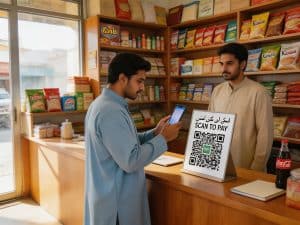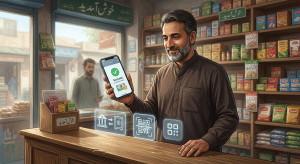
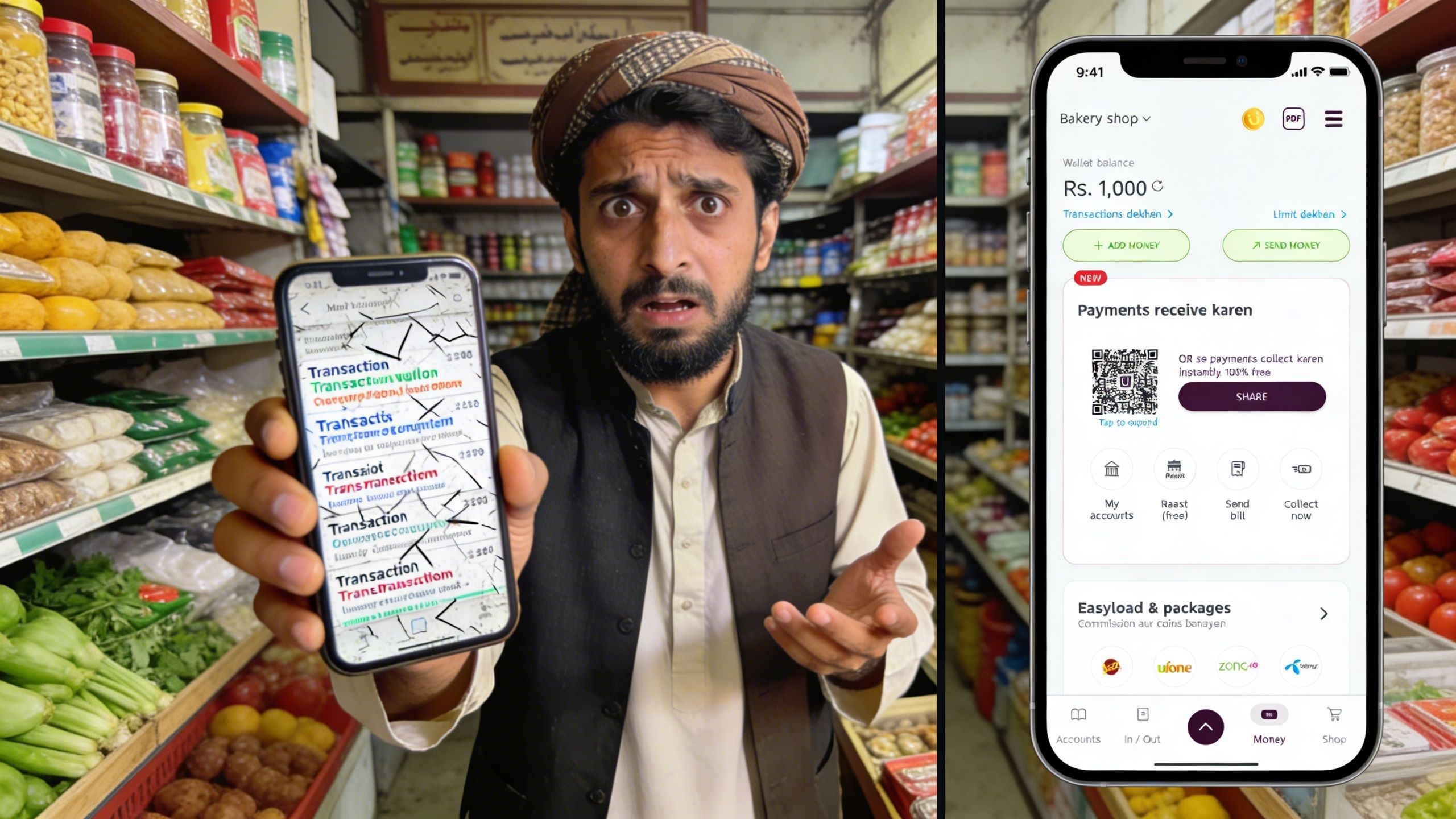
For many shopkeepers, the line between personal and business finances often gets blurred. A mobile wallet that starts off for personal use slowly becomes the place where daily sales, supplier payments, and customer transfers are handled. This is where the confusion begins. Understanding the difference in a business wallet vs personal wallet is no longer optional for small retailers in Pakistan. It is essential for growth, control, and long term stability.
As digital payments become more common and small business payments shift toward mobile solutions, choosing the right type of wallet can directly impact how efficiently a shop runs.
Understanding a Personal Wallet
A personal wallet is designed for individual use. It is typically used for sending money to friends and family, paying bills, topping up mobile balance, or making everyday purchases.
For a shopkeeper, a personal wallet may seem convenient in the beginning. There is no setup complexity, and transactions are quick. However, it lacks the structure needed to manage business finances.
A personal wallet usually does not offer:
- Clear separation between personal and business transactions
- Detailed transaction categorization
- Business level reporting or summaries
- Tools to manage customer payments or dues
Over time, using a personal wallet for business leads to confusion. Shopkeepers often struggle to answer simple questions like how much they earned in a day or how much is still receivable from customers.
What is a Business Wallet or Merchant Wallet
A business wallet, also known as a merchant wallet, is specifically designed to handle business transactions. It is built for shopkeepers, retailers, and small business owners who deal with frequent payments and need better financial visibility.
Unlike a personal wallet, a merchant wallet focuses on:
- Managing incoming and outgoing business payments
- Keeping records of every transaction
- Supporting customer payment tracking
- Providing insights into daily, weekly, and monthly sales
In Pakistan, where many businesses still rely on manual khata systems, a business wallet acts as a bridge between traditional methods and digital efficiency.
Business Wallet vs Personal Wallet: The Core Difference
The difference between a business wallet vs personal wallet is not just about usage. It is about control, clarity, and scalability.
A personal wallet is built for convenience. A business wallet is built for management.
With a personal wallet, all transactions are mixed. A payment from a customer sits next to a grocery expense or a utility bill. This makes tracking nearly impossible.
With a business wallet, every transaction is recorded with context. Shopkeepers can see exactly where money is coming from and where it is going.
This difference becomes critical as the business grows. What works for a few daily transactions quickly breaks down when volume increases.
Why Using a Personal Wallet for Business is Risky
Many small business owners in Pakistan continue to use personal wallets for business transactions. While it may seem harmless, it creates serious long term issues.
1. Lack of Financial Clarity
When business and personal transactions are mixed, there is no clear picture of income and expenses. This leads to poor decision making and guesswork.
2. Difficulty in Tracking Payments
Without proper records, it becomes difficult to track which customer has paid and who still owes money. This directly impacts cash flow.
3. Increased Risk of Errors
Manual tracking or relying on memory increases the chances of mistakes. Even small errors can add up over time.
4. Tax and Compliance Concerns
As digital payments become more regulated in Pakistan, undocumented or unclear transactions can create complications. A lack of proper records can make audits or financial reviews stressful.
5. No Business Insights
A personal wallet does not provide data that helps improve the business. There are no reports, trends, or analytics to guide growth.
Benefits of Using a Business Wallet for Shopkeepers
Switching to a business wallet is not just about organization. It is about building a system that supports growth.
1. Clear Separation of Finances
A business wallet ensures that all business transactions are kept separate from personal expenses. This clarity makes it easier to manage cash flow and understand profitability.
2. Better Payment Tracking
Shopkeepers can easily track incoming payments from customers. This reduces dependency on manual khata and improves accuracy.
3. Improved Cash Flow Management
With real time visibility into income and expenses, shopkeepers can make better decisions about inventory, supplier payments, and daily operations.
4. Digital Record Keeping
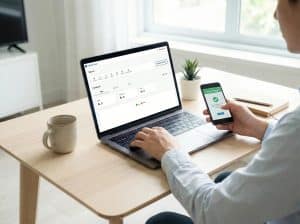
Every transaction is automatically recorded. This eliminates the need for manual bookkeeping and reduces errors.
5. Support for Multiple Payment Methods
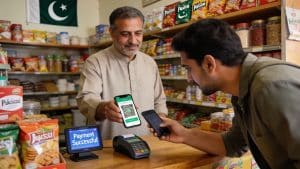
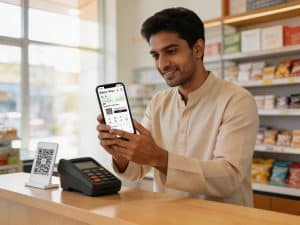
A modern merchant wallet allows shopkeepers to accept payments through bank transfers, mobile wallets, and QR codes. This flexibility improves customer experience.
The Role of Digital Wallets in Small Business Payments
The shift toward digital payments in Pakistan is accelerating. Customers are increasingly choosing cashless options for convenience and speed.
For shopkeepers, this shift creates both an opportunity and a challenge. Accepting digital payments without proper tools can lead to chaos. This is where a business wallet becomes essential.
A well designed digital wallet helps shopkeepers:
- Accept payments seamlessly
- Maintain accurate records
- Reduce reliance on cash
- Improve transparency
This transformation is especially important for kiryana stores and small retailers who deal with high transaction volumes daily.
When Should a Shopkeeper Switch to a Business Wallet
Many shopkeepers delay the switch, thinking their current system is good enough. In reality, there are clear signs that it is time to upgrade.
- Daily transactions are increasing
- Customer payments are becoming harder to track
- Personal and business money is getting mixed
- There is no clear record of profit and loss
- The shop is starting to accept digital payments
If any of these apply, continuing with a personal wallet will only make things more complicated.
Choosing the Right Business Wallet in Pakistan
Not all digital wallets are designed for business use. Shopkeepers need a solution that understands local needs, including khata management, payment tracking, and ease of use.
This is where apps like Udhaar Book come into the picture.
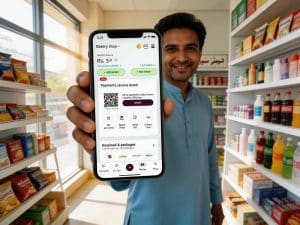
Udhaar Book is a digital ledger and payment solution built specifically for small businesses in Pakistan. It allows shopkeepers to manage customer dues, record transactions, and accept payments in one place.
Instead of juggling between a personal wallet and manual records, shopkeepers can rely on a single platform that simplifies everything.
A Practical Example
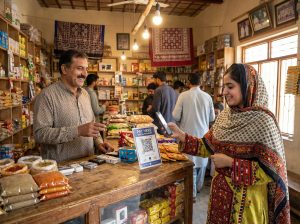
Consider a small kiryana store owner who uses a personal wallet for all transactions. At the end of the day, the wallet shows dozens of entries. Some are customer payments, some are personal expenses, and others are supplier payments.
Now compare this with a shopkeeper using a business wallet. Every transaction is categorized. Customer payments are tracked separately. Outstanding dues are visible. Daily sales can be calculated instantly.
The difference is not just convenience. It is control.
How a Business Wallet Supports Long Term Growth
A shop that operates without clear financial records struggles to grow. Decisions are based on assumptions rather than data.
A business wallet changes this by providing:
- Accurate transaction history
- Clear visibility into cash flow
- Better planning for inventory and expenses
- Confidence in financial decisions
Over time, this leads to more stable and scalable operations.
Conclusion
Choosing between a business wallet vs personal wallet is not just a technical decision. It is a business decision that affects how efficiently a shop operates every day.
For shopkeepers in Pakistan, relying on a personal wallet may work in the short term, but it creates limitations as the business grows. A business wallet provides the structure, clarity, and tools needed to manage small business payments effectively.
Making the switch early can save time, reduce errors, and unlock better control over finances. In a landscape where digital payments are becoming the norm, adopting the right tools is the key to staying competitive. That is why understanding the difference in a business wallet vs personal wallet is something every shopkeeper must take seriously.
FAQs
1. What is the main difference between a business wallet and a personal wallet
A business wallet is designed for managing business transactions with proper tracking and reporting, while a personal wallet is meant for individual use and lacks business management features.
2. Can a shopkeeper use a personal wallet for business
Yes, but it is not recommended. It leads to mixed transactions, poor tracking, and lack of financial clarity.
3. What is a merchant wallet
A merchant wallet is a type of business wallet that allows shopkeepers to accept and manage payments from customers digitally.
4. Why are digital wallets important for small business payments in Pakistan
They help shopkeepers accept cashless payments, maintain records, and improve financial transparency.
5. When should I switch to a business wallet
When transaction volume increases, payments become hard to track, or personal and business finances start mixing.
6. Is a business wallet better for managing customer dues
Yes, many business wallets include features that help track customer payments and outstanding balances.
7. Which is the best digital wallet app for shopkeepers in Pakistan
Shopkeepers often prefer solutions that combine payments with record keeping. Apps like Udhaar Book offer both features in a simple and practical way.
A Simple Next Step for Shopkeepers
Managing a shop is already challenging. Financial confusion should not be part of it.
Udhaar Book offers a simple way to record transactions, track customer dues, and manage payments in one place. It is designed for shopkeepers who want clarity without complexity.
For those still relying on a personal wallet, this might be the right time to upgrade. Download Udhaar Book and experience how a proper business wallet can transform the way small businesses handle their daily operations.